
Maintain a fresh living space by following a consistent schedule for your laundry and household fabrics. You should wash bed sheets once a week, bath towels every three uses, and decorative curtains twice a year. Using specific timelines ensures your home stays hygienic without wearing out your textiles too quickly.
The weekly laundry reset for linens
The items you use every day require the most frequent attention to remove skin cells, oils, and dust. Bed sheets and pillowcases are the priority in this category because you spend roughly eight hours a night against these fabrics. If you have pets that sleep on the furniture, you should also include sofa throws and pet blankets in this weekly rotation to keep odors from building up in your living room.
Bath towels are often left damp in humid bathrooms, which can lead to a musty smell and bacterial growth. To keep them fresh, never use a towel more than three times before putting it in the wash. Always hang towels on a bar rather than a hook so they can dry completely between uses. This simple habit is a core part of basic housekeeping that prevents your bathroom from smelling damp.
- Wash all bed sheets and pillowcases every seven days in warm water.
- Rotate bath towels after three uses to maintain hygiene.
- Clean hand towels every two days since they are used by multiple people.
- Wash kitchen tea towels every day or every other day if you cook frequently.
- Refresh bath mats once a week to prevent mold growth on the underside.
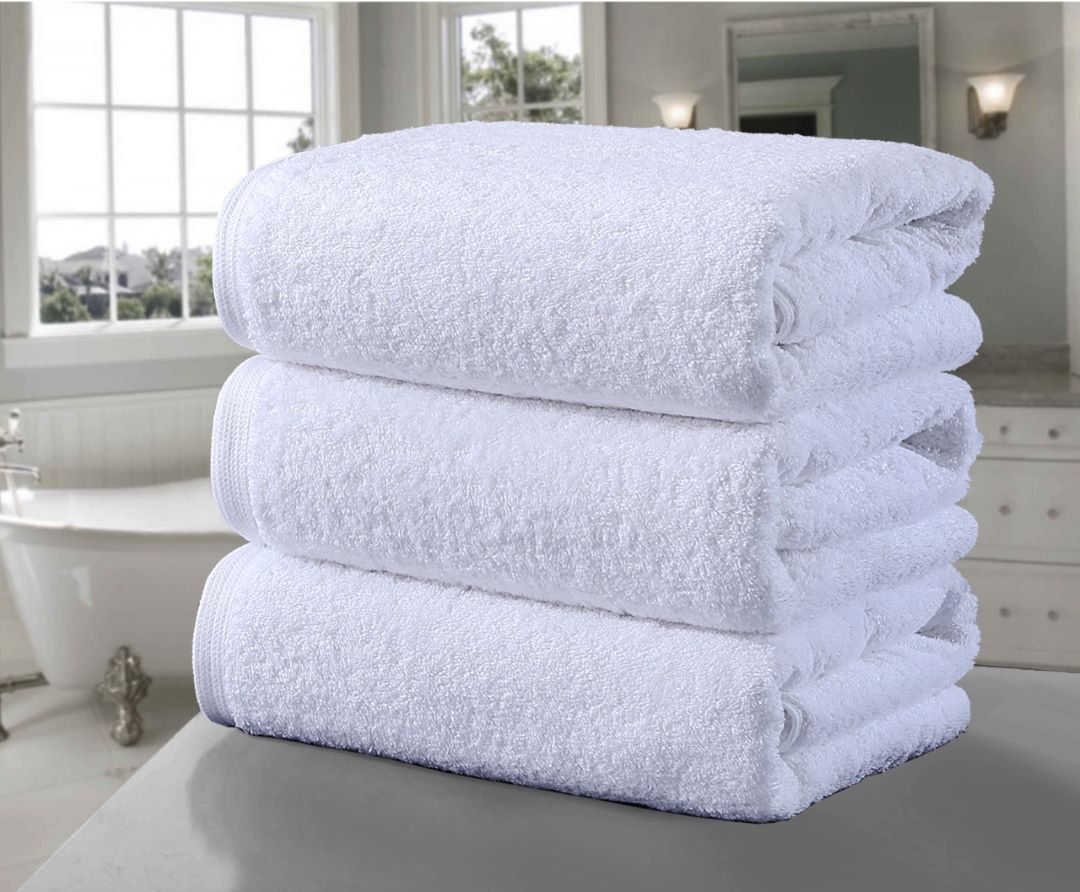
How often to wash everything in your home bathroom
Bathrooms are high-moisture areas that require a strict washing schedule to prevent grime from becoming permanent. Beyond your daily towels, there are larger items like fabric shower curtains and liners that people often forget. These should be washed once a month to remove soap scum and hard water deposits. If you see pink or black spots on the bottom of the liner, it is time for a deep soak in a mixture of water and white vinegar.
Face cloths and washcloths are different from hand towels because they touch your eyes and mouth directly. You must use a fresh washcloth every single time you clean your face to avoid spreading bacteria back onto your skin. Keep a stack of ten to twelve small cloths in a basket so you always have a clean one ready. This practice is often recommended in the field of professional organizing to keep daily routines running smoothly.
- Use a fresh face cloth for every single use.
- Launder fabric shower curtains every four weeks on a gentle cycle.
- Sanitize plastic shower liners once a month with a damp cloth or in the machine.
- Wash your fabric makeup bags or vanity organizers every month to remove spills.
Monthly and quarterly deep cleaning for fabrics
Some items in your home do not need weekly attention but will gather significant dust over several months. Bed pillows and duvets are the most common examples of these long-term items. Even with a pillowcase, dust mites and sweat eventually reach the core of the pillow. Aim to wash the actual pillows twice a year to keep them supportive and clean. Most synthetic and down pillows can go in the washing machine, but you must dry them thoroughly with wool dryer balls to prevent clumping.
Curtains and window treatments act as filters for the air entering your home. They catch pollen, dust, and outdoor pollutants throughout the year. Unless you live in a very dusty area, washing or dry cleaning your curtains every six months is sufficient. This keeps the air quality in your home high and prevents the fabric from looking dull or gray. You can use a vacuum attachment once a month to remove surface dust between these deep washes.
- Wash bed pillows every six months in a large capacity machine.
- Clean your heavy duvet or comforter every three to four months.
- Launder window curtains every six months to remove allergens.
- Wash mattress protectors every two months unless a spill occurs.
Kitchen and living room fabric maintenance
The kitchen is the heart of the home, but it is also where grease and food particles settle on fabrics. Oven mitts and aprons often go months without a wash, but they should be cleaned every two weeks. Grease can build up on these items and become a fire hazard if left too long. If you have a fabric table runner or cloth napkins, wash these after every use or at the end of every week to prevent permanent food stains from setting into the fibers.
In the living room, sofa cushion covers and decorative pillows need a refresh every three months. Even if they look clean, they hold onto household dust and hair. Check the care labels on your sofa covers before putting them in the machine, as some may require air drying to prevent shrinking. Taking twenty minutes to strip the covers and toss them in the wash will make your entire living room smell better instantly. Regular cleaning of these high-traffic fabrics extends their lifespan and keeps your home looking new.
- Wash cloth napkins after every meal to keep them crisp.
- Clean oven mitts and pot holders every two weeks.
- Launder sofa cushion covers every three months.
- Wash small decorative throw rugs every month if they are in high-traffic paths.


