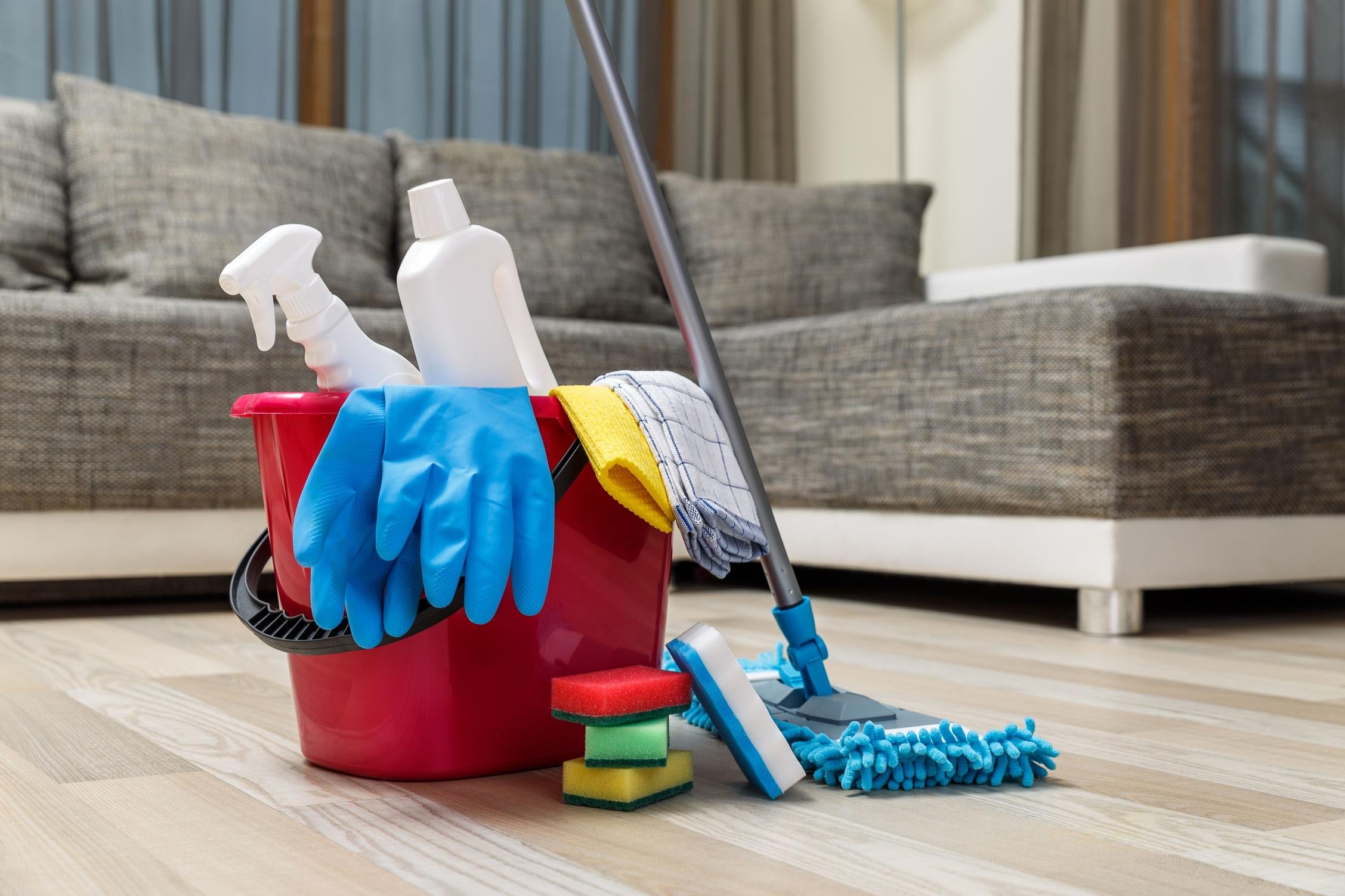
You can achieve a sparkling oven using only baking soda, water, and white vinegar. This method removes tough, burnt-on grease without the need for masks or heavy ventilation. You will apply a simple paste, let it sit, and wipe away the grime to reveal a clean surface.
The best way for cleaning the oven without harsh chemicals
Most commercial oven cleaners rely on strong alkaline agents that can irritate your skin and lungs. A natural approach uses basic chemistry to lift food particles from the metal walls. When you mix baking soda with a little water, it creates a mild abrasive that breaks down acidic grease safely. This process is part of regular housekeeping that keeps your kitchen smelling fresh and prevents smoke when you bake at high temperatures.
Before you start, make sure the oven is completely cool and empty. You will need a small bowl, a silicone spatula or a soft brush, and a few microfiber cloths. This method is effective because it gives the ingredients time to work on the stains so you do not have to scrub with extreme force. Follow these steps to prepare your cleaning paste:
- Measure half a cup of baking soda into your bowl.
- Add three tablespoons of water and stir until it reaches the consistency of thick toothpaste.
- Spread the paste over the interior surfaces of the oven, focusing on the dark, greasy spots.
- Avoid putting the paste on the heating elements or the fan.
- Let the mixture sit for at least twelve hours or overnight for the best results.

Wiping away the grime
After the paste has sat overnight, it will likely turn a brownish color as it pulls the grease away from the oven walls. You do not need to use metal scrapers which can damage the finish of your appliance. A damp cloth is usually enough to remove the bulk of the dried paste. If there are stubborn spots, you can use a plastic bowl scraper to gently lift the softened residue without scratching the enamel.
White vinegar is the final touch that makes the interior shine. It reacts with any leftover baking soda to create a light foam, which helps lift the very last bits of dirt. This is a common technique in cleaning because it neutralizes the base and leaves the surface smooth. Carry out these final steps to finish the job:
- Wipe out as much of the dried baking soda paste as possible with a damp paper towel.
- Put some white vinegar into a spray bottle and mist the areas where you still see white residue.
- Watch for the fizzing reaction and wipe it clean with a fresh microfiber cloth.
- Repeat the vinegar spray until all traces of the baking soda are gone.
- Dry the interior with a clean towel before replacing the racks.
Cleaning the oven racks
While the oven interior is soaking, you should address the racks. These often have layers of baked-on oil that make them feel sticky or look dull. You can clean these in your kitchen sink or a large plastic tub. Using the same natural ingredients ensures that no chemical residue transfers to your food the next time you roast a meal. It takes about twenty minutes of active work to get them looking new again.
If the racks are very dirty, you can soak them in hot water mixed with a bit of dish soap and baking soda. This softens the carbonized food so it slides off easily. Use a non-scratch scouring pad for the corners where the wire bars meet the frame. Once they are dry, they will slide back into your clean oven easily. A clean rack prevents uneven heat distribution and keeps your kitchen looking organized and well-maintained.
Maintaining a clean glass door
The glass door is often the most visible part of the oven and the place where grease drips are most obvious. You can use the same baking soda paste on the inside of the glass, but you must be careful not to let liquid seep between the glass panes. Most modern ovens have double or triple glazing, and drips inside those layers are very difficult to remove without taking the door apart. Apply the paste thinly and stay away from the very edges of the glass window.
Wipe the glass in circular motions using a soft sponge. For a streak-free finish on the outside of the door, use a mixture of equal parts water and vinegar. This simple solution cuts through fingerprints and kitchen film without leaving the cloudy residue that some heavy sprays leave behind. Doing this quick glass wipe once a week prevents the deep buildup that requires hours of soaking later on. Your oven will look bright and you can easily monitor your cooking through the clear window.