Showing posts with label laundry routine. Show all posts

How often to wash everything in your home

November 27, 2026
•
How often to wash everything in your home
Photo: Openverse

Keeping a truly clean home is much easier when you stop guessing and follow a set schedule. Knowing the exact time to wash every textile in your house keeps allergens low and fabrics smelling fresh without extra work.

How often to wash everything in your home

Bedding collects sweat, dead skin cells, and dust mites faster than almost anything else in the house. Pillowcases and bed sheets need to go into the washing machine every single week without fail. Wash them in hot water of at least sixty degrees Celsius to kill dust mites and remove body oils.

Comforters, duvet inserts, and bed pillows need a different routine than your weekly sheets. Wash your duvet covers every two weeks along with your sheets if you do not use a top sheet. Wash your heavy comforters and bed pillows every three to four months to keep them fluffy and clean.

  • Wash cotton bed sheets and pillowcases every 7 days in hot water
  • Wash duvet covers every 14 days
  • Wash bed pillows and heavy comforters every 90 days
  • Flip and air out your mattress every 6 months

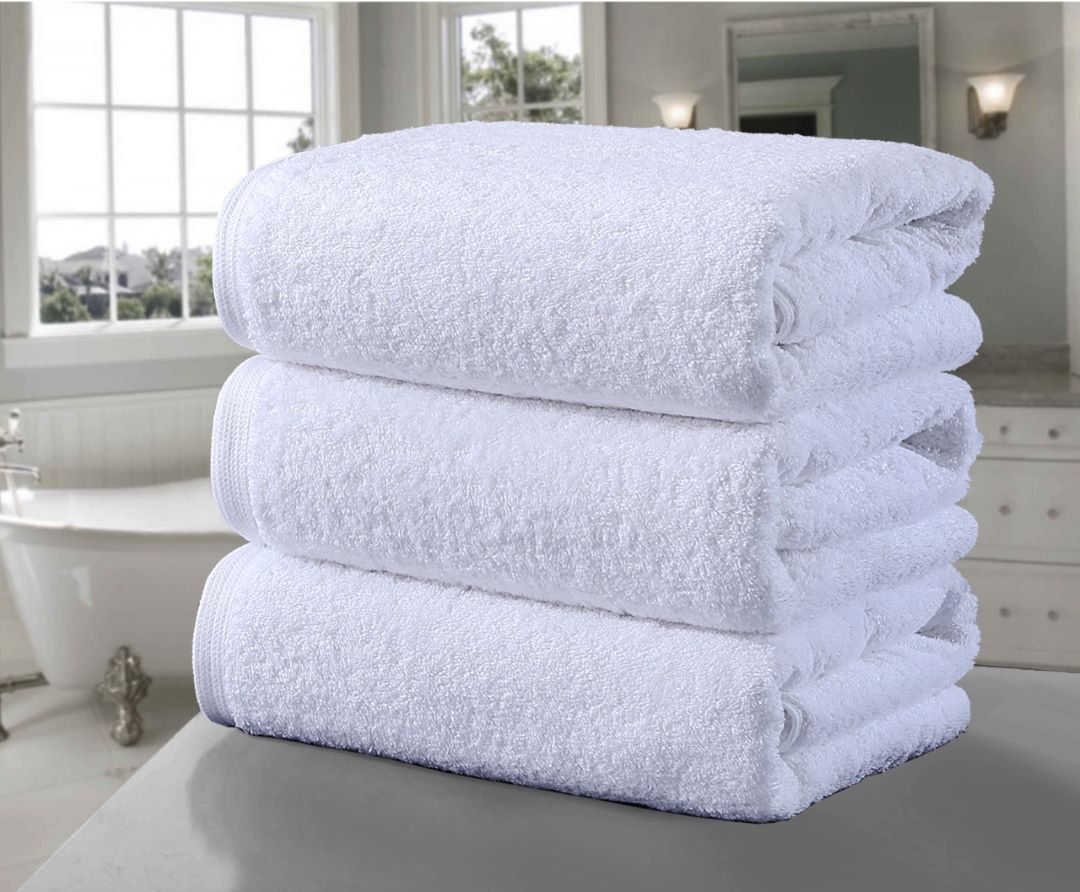
Bath towels trap moisture from damp skin, which makes them a breeding ground for bacteria and mildew. Hang your bath towel up to dry completely after every single use and put it in the laundry hamper after three uses. Bath mats should go into the wash once a week along with your bathroom hand towels.

How often to wash everything in your home
Photo: Wikimedia Commons

Living room textiles and soft furnishings

Living rooms hold onto dust, pet dander, and food smells in soft fabrics that people rarely clean. Removable sofa cushion covers need a trip to the washing machine every six months. If your sofa covers do not come off, vacuum them thoroughly every two weeks using the upholstery attachment.

Throw blankets draped over the back of the sofa collect dust from everyday use. Wash throw blankets every two weeks if you use them every day, or once a month if they are just for decoration. Area rugs need a deep clean or professional steam cleaning once a year to pull out trapped dirt.

  • Wash throw blankets every 14 to 30 days
  • Vacuum upholstered sofas every 14 days
  • Wash removable sofa cushion covers every 6 months
  • Vacuum high traffic area rugs weekly

Window curtains block light and catch dust floating through open windows all season long. Wash standard fabric curtains and drapes once a year, or twice a year if you live on a busy dusty road. Heavy velvet drapes often need dry cleaning, so check the care label before putting them in water.

Kitchen dish cloths and linens

Kitchen textiles need the most frequent washing because they deal with food spills and raw food bacteria. Dish cloths used to wipe down counters and wash dishes must be washed or replaced every single day. Letting a damp dish cloth sit overnight is a fast way to spread kitchen germs.

Cloth napkins and fabric placemats should go into the laundry basket after a single day of family meals. Tea towels used only for drying clean dishes can last for two or three days before they need a wash. Always dry kitchen textiles on a high heat setting to kill leftover food bacteria.

  • Wash kitchen dish cloths and sponges daily
  • Wash tea towels every 2 to 3 days
  • Wash fabric cloth napkins after 1 use
  • Wash cloth oven mitts every month

Establishing these simple routines is a core part of good housekeeping habits that keep your living space healthy. You do not need to wash everything at once when you follow a steady calendar spread across the month.

Bedroom and closet extras

Winter coats and heavy jackets sit in closets for months and gather dust during the off season. Wash or dry clean your winter coats at the end of winter before you pack them away in garment bags. Give your hats, scarves, and gloves a good wash every month during the cold weather season.

Mattress protectors stop spills from reaching your expensive mattress, but they get dirty too. Strip your mattress protector off the bed and wash it every month to keep sweat and skin oils from building up. Shower curtains liners made of plastic or fabric should be washed every three months to prevent pink mold.

  • Wash mattress protectors every 30 days
  • Wash winter coats at the end of the season
  • Wash winter hats and scarves monthly
  • Wash shower curtain liners every 90 days

For more ways to keep your home tidy and fresh, you can learn about professional organizing methods that make maintaining your wash schedule much simpler. Keeping a printed copy of this routine on your fridge helps you remember what to wash each week.

How often to wash everything in your home

November 11, 2026
•
How often to wash everything in your home
Photo from the web

Maintain a fresh living space by following a consistent schedule for your laundry and household fabrics. You should wash bed sheets once a week, bath towels every three uses, and decorative curtains twice a year. Using specific timelines ensures your home stays hygienic without wearing out your textiles too quickly.

The weekly laundry reset for linens

The items you use every day require the most frequent attention to remove skin cells, oils, and dust. Bed sheets and pillowcases are the priority in this category because you spend roughly eight hours a night against these fabrics. If you have pets that sleep on the furniture, you should also include sofa throws and pet blankets in this weekly rotation to keep odors from building up in your living room.

Bath towels are often left damp in humid bathrooms, which can lead to a musty smell and bacterial growth. To keep them fresh, never use a towel more than three times before putting it in the wash. Always hang towels on a bar rather than a hook so they can dry completely between uses. This simple habit is a core part of basic housekeeping that prevents your bathroom from smelling damp.

  • Wash all bed sheets and pillowcases every seven days in warm water.
  • Rotate bath towels after three uses to maintain hygiene.
  • Clean hand towels every two days since they are used by multiple people.
  • Wash kitchen tea towels every day or every other day if you cook frequently.
  • Refresh bath mats once a week to prevent mold growth on the underside.
How often to wash everything in your home
Photo from the web

How often to wash everything in your home bathroom

Bathrooms are high-moisture areas that require a strict washing schedule to prevent grime from becoming permanent. Beyond your daily towels, there are larger items like fabric shower curtains and liners that people often forget. These should be washed once a month to remove soap scum and hard water deposits. If you see pink or black spots on the bottom of the liner, it is time for a deep soak in a mixture of water and white vinegar.

Face cloths and washcloths are different from hand towels because they touch your eyes and mouth directly. You must use a fresh washcloth every single time you clean your face to avoid spreading bacteria back onto your skin. Keep a stack of ten to twelve small cloths in a basket so you always have a clean one ready. This practice is often recommended in the field of professional organizing to keep daily routines running smoothly.

  • Use a fresh face cloth for every single use.
  • Launder fabric shower curtains every four weeks on a gentle cycle.
  • Sanitize plastic shower liners once a month with a damp cloth or in the machine.
  • Wash your fabric makeup bags or vanity organizers every month to remove spills.

Monthly and quarterly deep cleaning for fabrics

Some items in your home do not need weekly attention but will gather significant dust over several months. Bed pillows and duvets are the most common examples of these long-term items. Even with a pillowcase, dust mites and sweat eventually reach the core of the pillow. Aim to wash the actual pillows twice a year to keep them supportive and clean. Most synthetic and down pillows can go in the washing machine, but you must dry them thoroughly with wool dryer balls to prevent clumping.

Curtains and window treatments act as filters for the air entering your home. They catch pollen, dust, and outdoor pollutants throughout the year. Unless you live in a very dusty area, washing or dry cleaning your curtains every six months is sufficient. This keeps the air quality in your home high and prevents the fabric from looking dull or gray. You can use a vacuum attachment once a month to remove surface dust between these deep washes.

  • Wash bed pillows every six months in a large capacity machine.
  • Clean your heavy duvet or comforter every three to four months.
  • Launder window curtains every six months to remove allergens.
  • Wash mattress protectors every two months unless a spill occurs.

Kitchen and living room fabric maintenance

The kitchen is the heart of the home, but it is also where grease and food particles settle on fabrics. Oven mitts and aprons often go months without a wash, but they should be cleaned every two weeks. Grease can build up on these items and become a fire hazard if left too long. If you have a fabric table runner or cloth napkins, wash these after every use or at the end of every week to prevent permanent food stains from setting into the fibers.

In the living room, sofa cushion covers and decorative pillows need a refresh every three months. Even if they look clean, they hold onto household dust and hair. Check the care labels on your sofa covers before putting them in the machine, as some may require air drying to prevent shrinking. Taking twenty minutes to strip the covers and toss them in the wash will make your entire living room smell better instantly. Regular cleaning of these high-traffic fabrics extends their lifespan and keeps your home looking new.

  • Wash cloth napkins after every meal to keep them crisp.
  • Clean oven mitts and pot holders every two weeks.
  • Launder sofa cushion covers every three months.
  • Wash small decorative throw rugs every month if they are in high-traffic paths.
 
Copyright © FZblog. Designed by OddThemes